Pedestrian Hit by a Car in Wilmington, NC? Know Your Legal Rights.
Every year, pedestrian accidents in Wilmington, NC leave victims with serious injuries, overwhelming medical bills, and unanswered questions about their legal rights. Injured pedestrians face pressure from insurance companies, complex North Carolina laws, and the physical toll of recovery all at once.
Working with an experienced Wilmington pedestrian accident lawyer can make the difference between a denied claim and the fair compensation you deserve. At NC Injury Law, we fight for injured pedestrians and help them understand their rights every step of the way.
Understanding Pedestrian Rights and Responsibilities in North Carolina
Knowing your rights and responsibilities as a pedestrian in North Carolina can make a critical difference after a car accident.
When Pedestrians Have the Right of Way
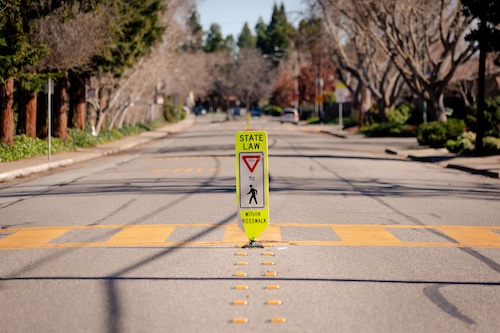
North Carolina law gives pedestrians the right of way in marked crosswalks, unmarked crosswalks at intersections, and when pedestrian signals display a “Walk” sign. Drivers must stop and yield when a pedestrian is crossing. Passing a vehicle that has already stopped at a crosswalk is prohibited.
Where Pedestrians Are Protected
Pedestrians have legal protections when entering or exiting driveways, parking lots, and building entrances. Drivers must exercise reasonable care in these areas, even when no crosswalk is present.
Pedestrian Responsibilities on North Carolina Roads
Pedestrians must obey traffic signals and signs. When a marked crosswalk is available, use it. Walk on sidewalks whenever possible. If no sidewalk exists, walk on the left side of the roadway facing oncoming traffic.
Staying Visible and Crossing Safely
Visibility plays a key role in pedestrian safety. Wear reflective clothing at night, avoid distractions while crossing, and always check for vehicles before stepping into the roadway. Negligent drivers often claim a pedestrian was not visible, so taking steps to be seen protects both your safety and your legal rights.
The Impact of North Carolina’s Contributory Negligence Rule
North Carolina follows one of the strictest negligence laws in the country, and understanding it is essential for any injured pedestrian pursuing fair compensation.
What Is Contributory Negligence?
Contributory negligence means that if a pedestrian is found even partially at fault for a car accident, they may be barred from recovering any compensation. Unlike most states that use a comparative fault system, North Carolina holds pedestrians to a strict standard. Any shared fault can eliminate your right to recover medical bills, lost wages, and other damages.
How Insurance Companies Use This Rule Against You
Insurance companies regularly use contributory negligence as a strategy to deny or reduce claims. Adjusters may argue that a pedestrian was jaywalking, crossing against a signal, or walking in the street when a sidewalk was available. These tactics are designed to shift blame away from negligent drivers and protect the insurance company’s bottom line.
Why Establishing 100% Driver Fault Matters
Because any degree of pedestrian fault can end a claim, proving the driver was entirely responsible is critical. Evidence such as traffic camera footage, witness statements, police reports, and medical records all play a role in building a strong case. An experienced attorney can gather and present this evidence to counter insurance company arguments and protect your legal rights.
How an Attorney Protects You From Contributory Negligence Claims
A pedestrian accident lawyer understands how insurers apply contributory negligence and knows how to challenge those claims. Legal representation gives injured pedestrians the best chance of recovering full financial compensation after a serious accident in North Carolina.
Establishing Driver Liability and Proving Negligence
Proving that a driver was at fault is the foundation of any successful pedestrian accident claim in North Carolina.
The Four Elements of a Pedestrian Accident Claim
To recover compensation after being hit by a car, four legal elements must be established. First, the driver owed a duty of care to pedestrians on the road. Second, the driver breached that duty through actions like speeding, distracted driving, or failing to yield. Third, that breach directly caused the pedestrian’s injuries. Fourth, the injuries resulted in measurable damages such as medical bills, lost wages, and pain and suffering.
Common Ways Drivers Breach Their Duty of Care
Negligent drivers cause pedestrian accidents in several ways. Distracted driving, including cell phone use, is a leading cause of pedestrian injuries in urban areas. Speeding, running red lights, failing to yield at crosswalks, and ignoring traffic signals are also frequent factors. Each of these behaviors can serve as direct evidence of driver fault.
Special Duties Drivers Owe in Certain Situations
North Carolina law requires drivers to exercise extra caution near children, elderly pedestrians, and disabled individuals. Drivers also carry legal responsibility toward pedestrians outside of marked crosswalks and in parking lots. A driver who fails to exercise reasonable care under any of these circumstances can be held liable for resulting injuries.
Evidence Used to Prove Driver Negligence
Building a strong liability case requires solid evidence. Police reports, witness statements, traffic camera footage, cell phone records, and medical records all help connect the driver’s actions to the pedestrian’s injuries. An experienced attorney knows how to gather and present this evidence to establish fault and pursue fair compensation for the injured pedestrian.

What Compensation Can Injured Pedestrians Recover?
Injured pedestrians in Wilmington, NC have the right to pursue financial compensation that covers the full impact of their injuries.
Medical Expenses and Rehabilitation Costs
Medical bills from a pedestrian accident can accumulate quickly. Compensation can cover emergency room visits, surgeries, hospital stays, physical therapy, and ongoing rehabilitation. Future medical expenses related to the injury are also recoverable, ensuring victims are not left paying out of pocket for long-term care.
Lost Wages and Diminished Earning Capacity
Serious injuries often prevent victims from returning to work for weeks, months, or permanently. Injured pedestrians can recover compensation for lost wages during recovery as well as diminished earning capacity if their injuries limit their ability to work in the future.
Pain and Suffering
Beyond financial losses, pedestrian accident victims can recover damages for physical pain and emotional suffering. These damages account for the impact the injury has on daily life, relationships, and overall well-being. Pain and suffering compensation is often a significant portion of a pedestrian accident settlement.
Loss of Enjoyment of Life
When injuries prevent a victim from participating in activities they once enjoyed, compensation for loss of enjoyment of life may be available. Pedestrian accident victims who experience permanent limitations as a result of their injuries are entitled to seek these damages.
Punitive Damages
In cases involving reckless or intentional conduct by a driver, North Carolina courts may award punitive damages. These damages go beyond covering a victim’s losses and serve to penalize particularly dangerous behavior such as drunk driving or extreme speeding.
Wrongful Death Claims
When a pedestrian accident results in death, surviving family members have the right to pursue a wrongful death claim. Compensation in these cases can include funeral costs, loss of future earnings, and loss of companionship. An experienced attorney can help families understand their legal rights and pursue the full compensation they deserve.
Why You Need an Experienced Wilmington Pedestrian Accident Lawyer
Facing insurance companies and legal deadlines after a pedestrian accident is difficult without professional legal representation on your side.
Investigating the Accident and Building Your Case
NC Injury Law conducts thorough investigations into every pedestrian accident claim. Our attorneys gather police reports, traffic camera footage, witness statements, and medical records to reconstruct the accident and establish driver fault. A strong case built on solid evidence gives injured pedestrians the best foundation for recovering fair compensation.
Handling Insurance Companies
Insurance companies work quickly to protect their own interests after a pedestrian accident. NC Injury Law handles all communication with insurers, countering tactics used to shift blame onto injured pedestrians. Our attorneys know how to push back against low settlement offers and fight for the full financial compensation our clients deserve.
Protecting You From Contributory Negligence Claims
North Carolina’s contributory negligence rule makes it critical to have an attorney defending your claim from the start. NC Injury Law works to establish 100% driver fault, protecting injured pedestrians from arguments that could eliminate their right to recover compensation entirely.
Maximizing Your Financial Recovery
NC Injury Law pursues every category of damages available to injured pedestrians, including medical expenses, lost wages, pain and suffering, and loss of enjoyment of life. Our goal is to ensure no compensation is left on the table for our clients.
What to Expect During Your Free Consultation
NC Injury Law offers a free, no-obligation consultation to every injured pedestrian. During your consultation, our attorneys will evaluate your case, explain your legal rights, and outline a strategy for pursuing compensation. We work on a contingency basis, meaning you pay no upfront fees and owe nothing unless we win your case.
Contact NC Injury Law for a Free Consultation Today!
If you or a loved one has been injured in a pedestrian accident in Wilmington, NC, do not wait to get legal help. Our team at NC Injury Law is ready to evaluate your case, protect your rights, and fight for the full compensation you deserve. We work on a contingency basis, so you pay nothing unless we win.
Contact us at 910-387-1103 for a free case review today!