You Were Hurt—and the Costs Are Bigger Than You Ever Expected
A serious head injury can change life in an instant. Across North Carolina—from drivers on I-40 near Raleigh to families in Charlotte and coastal communities in New Hanover County—traumatic brain injuries often disrupt daily routines, employment, and long-term stability with little warning.
Expenses frequently begin accumulating before a diagnosis is fully clear. Emergency care, imaging, neurological evaluations, and follow-up visits quickly lead to rising medical expenses, even while symptoms are still developing. For many injured individuals, these early costs arrive at the same time income may be interrupted, creating immediate financial stress.
Families are rarely prepared for how quickly the financial impact grows. As recovery continues, concerns about rehabilitation services, therapy, and possible long-term care become part of the conversation. At NC Injury Law, we help clients recognize the full scope of how traumatic brain injuries affect both health and finances, so early costs do not overshadow the support needed for long-term recovery.

Your Medical Bills Start Long Before Recovery Begins
For many families, the financial strain begins almost immediately after the injury. When traumatic brain injuries occur, care often starts before doctors fully understand the severity or long-term outlook. The earliest stages of treatment can generate significant medical expenses well before a clear recovery plan is established.
Emergency care is usually the first step. Ambulance transport, emergency room treatment, diagnostic imaging, and hospital observation can quickly create substantial bills. Even when a patient is discharged within a short period, these early services often represent a major financial burden. In cases involving brain trauma, physicians frequently order advanced testing as a precaution, adding to early medical expenses that families may not expect.
Specialist care often follows shortly after. Neurological evaluations, cognitive assessments, and follow-up visits are common when symptoms persist or change. These appointments are essential for monitoring recovery, but they also increase costs long before healing is complete.
What many families do not realize is that these early bills are rarely the end of the story. As symptoms evolve, the need for therapy, rehabilitation services, or future long-term care becomes more apparent. At NC Injury Law, we help clients understand that early costs tied to traumatic brain injuries are often just the first layer of a much broader financial picture—and that planning ahead is critical to protecting long-term stability.
Your Recovery Often Requires Ongoing and Specialized Care
Healing after a serious head injury rarely follows a straight line. Many people recovering from traumatic brain injuries discover that care continues well beyond the initial treatment phase. What may begin as short-term monitoring can gradually expand into a longer recovery process that includes multiple forms of therapy and ongoing oversight, bringing additional medical expenses into focus.
Rehabilitation is often a key part of this journey. Cognitive therapy, occupational therapy, and other specialized treatments help patients rebuild memory, concentration, and daily functioning affected by brain trauma. Medication management and routine follow-up appointments are also common, particularly as symptoms fluctuate or new challenges emerge. These services are essential to progress, but they also add layers to the overall cost of recovery.
Over time, treatment needs can change. Some individuals improve steadily, while others require extended support, adaptive therapies, or planning for future long-term care. This evolving process is one of the defining realities of traumatic brain injuries, and it often surprises families who expected recovery to be quicker or more predictable. At NC Injury Law, we help clients understand how ongoing treatment and rising medical expenses fit into the bigger picture—so their recovery plan accounts not only for today’s care, but for what may be needed months or years down the road.
Your Life May Change in Ways Insurance Doesn’t Fully Cover
After a serious head injury, the effects often reach far beyond medical treatment alone. For many people living with traumatic brain injuries, everyday life can change in ways that standard coverage does not fully address. While insurance may help with certain bills, it often falls short when recovery reshapes how you work, live, and interact with those around you—leaving families to absorb additional medical expenses and long-term costs.
Common changes following a brain-related injury may include:
- Loss of income or reduced earning capacity, especially when cognitive fatigue, memory issues, or physical limitations make returning to prior work difficult
- Home modifications and daily assistance, such as mobility adjustments, in-home support, or transportation needs that grow over time
- Emotional and cognitive challenges, including personality changes, difficulty concentrating, and strain on family relationships that develop as recovery continues
These impacts often unfold gradually. As symptoms persist or evolve, families may realize that planning for future long-term care is necessary, even when initial expectations were more optimistic. This reality is common with traumatic brain injuries, where recovery does not always restore life to its previous baseline.
Insurance Companies Rarely Account for the Full Long-Term Impact
After a serious head injury, insurance coverage often focuses on what is visible and immediate—while overlooking what recovery truly requires over time. For people living with traumatic brain injuries, this narrow approach can leave significant gaps between what is offered and what is actually needed. Understanding these limitations is an important step toward protecting yourself from underestimated medical expenses and future care needs.
Insurance carriers typically concentrate on short-term costs. Initial hospital bills, brief follow-up visits, or a limited course of treatment are easier to calculate and close out quickly. What is frequently ignored is how brain-related trauma evolves, especially when symptoms fluctuate or worsen. This short-term focus can create a misleading picture of recovery that does not reflect the ongoing nature of traumatic brain injuries.
Future care is also commonly undervalued. Cognitive therapy, extended rehabilitation, medication management, and support services are often minimized or excluded because they are harder to predict. Yet these forms of treatment are central to long-term stability and independence. When future long-term care needs are not fully considered, families may find themselves covering substantial medical expenses long after a claim appears resolved.
Early settlement offers present another serious risk. While quick resolutions may seem appealing during a stressful period, they often fail to account for the long-range impact of brain trauma. Accepting an early settlement can limit access to resources needed for future treatment, adaptive support, or ongoing long-term care. At NC Injury Law, we help clients recognize these risks so decisions are made with a full understanding of how traumatic brain injuries affect both present recovery and future security.
What Evidence Is Needed to Prove the True Cost of a Brain Injury
After a serious head injury, proving the full financial impact requires more than showing what happened at the hospital. For people living with traumatic brain injuries, the true cost often unfolds over time. Establishing that reality under law depends on clear evidence that connects ongoing needs, rising medical expenses, and future long-term care directly to the injury itself. At NC Injury Law, we focus on building that proof in a way that reflects real life—not just early invoices.
Medical Documentation and Expert Evaluations
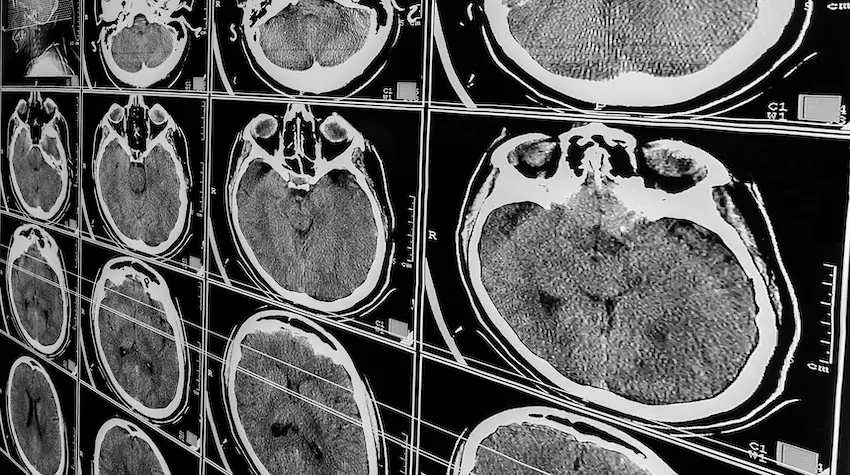
Strong cases begin with thorough medical records. Treatment notes, diagnostic imaging, neurological assessments, and specialist evaluations help explain how a brain-related injury affects daily functioning. These materials are especially important when symptoms evolve or fluctuate, which is common with traumatic brain injuries. Expert opinions can further clarify prognosis, expected recovery limits, and the likelihood of ongoing treatment—key factors when addressing future medical expenses under applicable law.
Life Care Plans and Future Cost Projections
When recovery extends beyond short-term treatment, life care planning becomes essential. These plans outline anticipated needs such as rehabilitation services, therapy, medications, and assistance over time. For individuals facing lasting impairment, life care plans help quantify future long-term care in a structured, evidence-based way. This documentation transforms uncertainty into measurable projections that courts and insurers can evaluate within a legal framework.
Connecting Financial Losses Directly to the Injury
Proving cost is not enough on its own—those costs must be clearly tied to the injury. Evidence linking reduced earning capacity, ongoing treatment, and support needs back to the brain trauma is critical. By aligning medical findings, expert input, and financial documentation, it becomes possible to show how traumatic brain injuries drive both immediate medical expenses and long-term care requirements. NC Injury Law helps clients present this complete picture so the full impact of a brain injury is recognized and addressed under the law.
Why Your Brain Injury Case Requires a Different Legal Approach
When you are dealing with the aftermath of a serious head injury, the usual claim process often falls short. Traumatic brain injuries do not follow predictable recovery paths, and their financial impact rarely fits neatly into standard formulas. That is why these cases demand a more thoughtful legal strategy—one that fully accounts for evolving needs, mounting medical expenses, and future long-term care considerations.
Unlike injuries with clear endpoints, brain-related trauma can change over time. Valuing these cases requires looking beyond early treatment and recognizing how symptoms may affect independence, employment, and daily life months or years later. The uncertainty surrounding recovery makes it harder to estimate future medical expenses, which is why a different legal approach is essential from the outset.
Effective representation also depends on coordination. Medical records, expert opinions, financial projections, and vocational assessments must work together to tell a clear story. When these elements are aligned, they help demonstrate how traumatic brain injuries create lasting financial and personal consequences, including the need for extended support or long-term care. Without this coordination, critical parts of the picture can be overlooked.
At NC Injury Law, we understand that brain injury claims require careful planning and strategy. By approaching these cases with a focus on both present challenges and future needs, we help ensure that the full scope of medical expenses, ongoing support, and recovery demands are addressed through a sound legal framework designed for complex injuries.
How Your Attorney Builds a Case That Reflects Your Future
After a serious head injury, the focus should not stop at what has already happened. When traumatic brain injuries affect your ability to work, live independently, or plan for the years ahead, your case must account for more than today’s bills. A forward-looking legal approach is essential to ensure future medical expenses and potential long-term care needs are fully considered. At NC Injury Law, we build cases with an eye toward what recovery will realistically require over time.
A strong case often begins with collaboration. Medical professionals, rehabilitation specialists, and economic experts help explain how brain-related injuries impact daily functioning and future earning potential. Their input provides credible insight into treatment needs, ongoing support, and projected costs associated with traumatic brain injuries, forming the foundation for a well-supported legal claim.
Accurate damage calculations go beyond immediate invoices. In addition to current medical expenses, a comprehensive case considers rehabilitation, therapy, adaptive services, and the likelihood of future long-term care. These projections help reflect the true financial impact of a brain injury—especially when recovery is unpredictable or incomplete.
Equally important is protecting clients from resolutions that do not account for long-term reality. Early settlement offers often overlook evolving needs and future costs. At NC Injury Law, we evaluate offers carefully to ensure they align with the full scope of medical expenses, future support requirements, and the lasting effects of traumatic brain injuries. This approach helps safeguard your future through a thoughtful, strategic legal process built around your long-term well-being.
How NC Injury Law Helps You Secure the Care You Deserve
When you’re facing the aftermath of a serious head injury, the path forward can feel uncertain. Traumatic brain injuries often bring ongoing challenges that extend far beyond initial treatment, including rising medical expenses and the possibility of future long-term care. At NC Injury Law, we help clients navigate these challenges by building claims grounded in the laws designed to protect injured individuals and their families.
Our approach begins with a comprehensive evaluation of both current and future needs. We look beyond early bills to assess continuing treatment, rehabilitation, support services, and anticipated care as recovery evolves. This allows us to present a clear picture of how traumatic brain injuries impact long-term health and finances, including projected medical expenses and long-term care requirements.
We also focus on accountability and full compensation. By aligning medical records, expert insight, and applicable laws, we advocate for outcomes that reflect the true scope of injury-related losses—not just short-term costs. This advocacy helps ensure that future care and financial stability are not compromised by incomplete evaluations. If you or a loved one is living with the effects of a traumatic brain injury, contact NC Injury Law today for a consultation at (800) 800-8000. Let our team help you pursue the care, resources, and long-term support you deserve so you can move forward with confidence.