You Were Bitten — and Now You’re Dealing With More Than Just the Injury
A dog attack can turn an ordinary day into a medical emergency in seconds. Whether it happened on a neighborhood sidewalk in Charlotte, near a park in Raleigh, or along the Riverwalk in Wilmington, the aftermath often involves more than immediate pain. Victims frequently face a serious dog bite injury, emotional distress, and uncertainty about what to do next. At NC Injury Law, we help individuals across North Carolina understand their rights and begin moving forward.
The physical impact of a dog bite injury may include puncture wounds, torn tissue, nerve damage, or fractures. Even seemingly minor bites can lead to infection, scarring, or long-term sensitivity. Beyond the physical harm, many victims experience anxiety, sleep disruption, or fear of animals after an attack—especially when the incident occurs close to home in familiar places.
Uncertainty about responsibility can add another layer of stress. North Carolina’s dog bite laws and rules surrounding owner liability determine when an injured person may pursue compensation. Questions about prior aggressive behavior, leash compliance, or local ordinances in counties like Mecklenburg or Wake often leave victims unsure of their next steps.
If you suffered a dog bite injury anywhere in North Carolina—from the mountains near Asheville to coastal communities by the Outer Banks—NC Injury Law can help you understand how dog bite laws apply and whether owner liability may support your claim. You deserve clarity and support while you focus on healing.
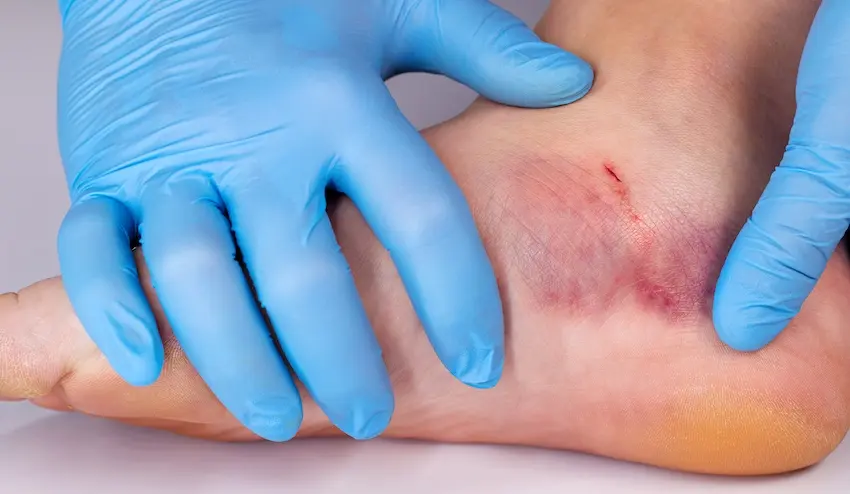
North Carolina Law Treats Dog Bite Cases Differently Than Many People Expect
After an attack, many people assume the dog’s owner is automatically responsible. In reality, dog bite laws in North Carolina operate under a more structured framework than many victims expect. Whether a person can recover for a dog bite injury depends on how owner liability is evaluated under state law. NC Injury Law helps injured individuals understand how these rules apply to their specific situation.
An owner may be legally responsible if they knew—or reasonably should have known—that the dog had aggressive tendencies. Prior incidents, complaints, or failure to control the animal can all influence how owner liability is determined. In many cases, establishing this knowledge becomes central to a successful dog bite injury claim.
The classification of a “dangerous dog” can also affect how dog bite laws apply. When an animal has been formally designated as dangerous, the path to proving responsibility may become more straightforward. These designations often rely on documented behavior or prior attacks, which can significantly strengthen a case involving a serious bite.
Unlike strict liability states, North Carolina frequently applies negligence principles. That means the injured person must demonstrate that the owner failed to act with reasonable care. Understanding the difference between strict liability and negligence is critical when pursuing recovery under dog bite laws.
Your Right to Compensation Depends on the Circumstances of the Attack
After an animal attack, many victims assume compensation is automatic. In reality, recovery under North Carolina’s dog bite laws depends heavily on how and where the incident occurred. The facts surrounding the event—location, permission to be present, and the behavior of both the dog and the people involved—play a major role in determining owner liability. At NC Injury Law, we help clients evaluate these factors carefully so their personal injury claim is built on a clear legal foundation.
Where the Bite Happened Can Influence the Outcome
The location of an attack often shapes how responsibility is assessed. Incidents that occur in public spaces, shared residential areas, or private property settings may be evaluated differently under dog bite laws. For example, leash requirements, containment expectations, and prior complaints can all affect how owner liability is analyzed. Establishing the setting helps clarify whether the dog’s handler exercised reasonable control and whether the circumstances support a strong dog bite injury claim.
Whether You Had a Legal Right to Be There
Compensation frequently depends on whether the injured person was lawfully on the property at the time of the attack. Guests, delivery workers, neighbors, and service providers typically have legal permission to be present, which can strengthen a case involving owner liability. Conversely, allegations of trespassing may complicate how dog bite laws apply. Determining lawful presence is often a key step in positioning a dog bite injury case for success.
Claims Involving Provocation or Trespassing
Insurance carriers sometimes argue that the victim provoked the dog or contributed to the incident. These defenses are common in disputes over owner liability and may be used to limit recovery under dog bite laws. Evaluating witness statements, prior behavior history, and the specific actions leading up to the attack is essential. Even when provocation is alleged, it does not automatically eliminate the right to compensation for a serious dog bite injury.
Dog Owners and Insurers Often Try to Avoid Responsibility
After an attack, recovery should be your focus—not defending yourself against shifting blame. Unfortunately, in cases involving a serious dog bite injury, owners and insurance carriers often attempt to reduce exposure by challenging how the incident occurred or how severe the harm truly is. Understanding these tactics helps protect your position under North Carolina’s dog bite laws. NC Injury Law works proactively to anticipate and counter these strategies.
Claims That You Provoked the Dog or Shared Fault
One common defense is that the injured person provoked the animal or contributed to the incident. Insurers may argue that a gesture, movement, or entry onto property triggered the response. These arguments are frequently used to weaken claims involving owner liability, even when evidence shows the dog had prior aggressive tendencies. Careful review of witness statements, prior complaints, and behavioral history becomes critical when responsibility is disputed.
Efforts to Downplay the Severity or Timing of Injuries
Another strategy involves minimizing the impact of the attack. Carriers may characterize wounds as minor or suggest treatment was unnecessary. In reality, a dog bite injury can involve infection risk, nerve damage, scarring, or long-term emotional trauma. Insurers may also question gaps in treatment or evolving symptoms to limit recovery under applicable law.
The Evidence You Gather Can Make or Break Your Claim
After an attack, the outcome of your case often depends on what can be proven—not just what happened. While medical care is the immediate priority after a dog bite injury, preserving strong documentation is equally important. Under North Carolina’s dog bite laws, establishing owner liability requires credible, organized evidence that clearly connects the attack to the harm suffered. NC Injury Law works with clients to ensure that critical details are identified and protected early.
Official records frequently play a central role. Animal control reports, incident summaries, and any prior complaints involving the same dog can demonstrate whether the owner knew—or should have known—about aggressive behavior. Evidence of earlier warnings or citations may significantly strengthen arguments related to owner liability, especially when a pattern of unsafe conduct exists.
Medical documentation also forms the backbone of a successful claim. Emergency treatment records, physician notes, and follow-up evaluations create a timeline that supports the seriousness of a dog bite injury. Photographs taken immediately after the incident and throughout the healing process provide visual evidence of wounds, scarring, and progress in recovery. This type of evidence can counter attempts to minimize the attack’s impact under applicable law.
Witness statements add another important layer. Neighbors, bystanders, or delivery personnel may confirm how the dog bite incident unfolded or describe prior aggressive behavior. Community context can reinforce how dog bite laws apply in your situation and clarify responsibility.
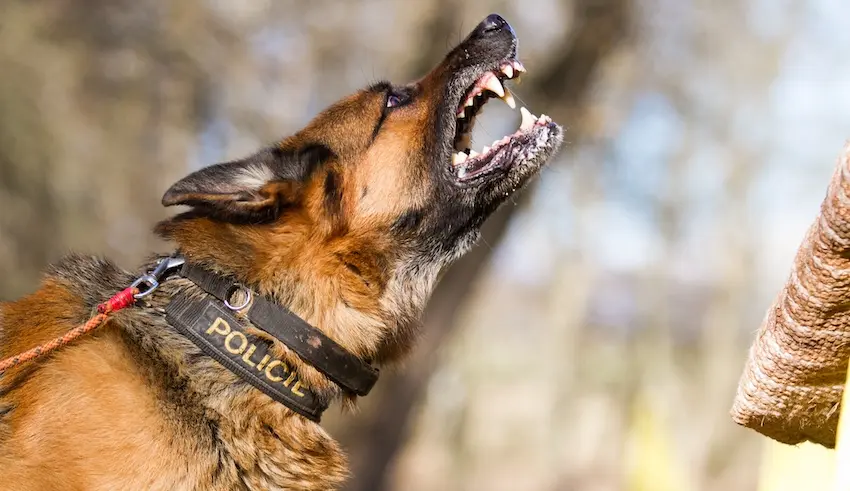
The Impact of a Dog Attack Often Extends Far Beyond the Initial Bite
What begins as a frightening encounter can quickly become a long-term physical and financial burden. A serious dog bite injury frequently requires more than a single visit to urgent care. From emergency treatment and stitches to follow-up appointments and specialized care, the costs can accumulate quickly. Under North Carolina’s dog bite laws, these damages may be recoverable when owner liability is properly established. NC Injury Law helps clients understand the full scope of what their recovery may involve.
Medical expenses often start with immediate wound care, antibiotics, tetanus shots, or rabies precautions. In more severe cases, reconstructive procedures or plastic surgery may be necessary to address tissue damage. Even after initial healing, scarring can create functional limitations or cosmetic concerns that require ongoing evaluation. Emotional trauma is also common, particularly for children and individuals who develop anxiety, sleep disruption, or a fear of animals following an attack.
The financial strain does not end with medical bills. Time away from work, reduced earning capacity, and follow-up therapy appointments can place additional pressure on families. When long-term care becomes necessary, documenting these future needs is critical in any claim involving a dog bite injury. By carefully assessing both immediate and lasting consequences, NC Injury Law works to ensure that claims reflect the true physical, emotional, and financial impact of an attack. When supported by clear evidence and a thoughtful application of the law, victims can pursue meaningful compensation tied to established owner liability standards.
What You Do Next Can Shape the Outcome of Your Claim
In the moments after an attack, it is natural to feel shaken or unsure of what steps to take. Acting quickly, however, can protect both your health and your ability to recover compensation under North Carolina’s dog bite laws. Whether the injury appears minor or severe, the decisions made early often influence how responsibility and owner liability are evaluated. NC Injury Law encourages a proactive approach that prioritizes safety and documentation.
The priority is medical care. Even a seemingly small dog bite injury can carry infection risks, nerve damage, or complications that develop later. Prompt treatment creates a clear medical record connecting the attack to the harm suffered. Reporting the incident to local authorities or animal control also establishes an official record, which may become important if questions arise about prior aggressive behavior or negligence.
Preserving evidence is equally important. Photographs of the scene, visible wounds, torn clothing, and the surrounding environment can provide valuable context. Gathering contact information from witnesses and noting details about the dog and its owner helps build a factual foundation. This documentation supports how owner liability is assessed and strengthens any claim brought under applicable law.
It is also wise to be cautious in early communications. Statements made casually to insurers or the dog’s owner can later be used to dispute the severity of a dog bite injury. Avoid speculation or minimizing what occurred until you understand your legal position.
Your Attorney Turns the Facts Into a Strong, Structured Claim
After an attack, it’s not enough to simply report what happened. A successful claim requires investigation, strategy, and a clear understanding of how North Carolina’s dog bite laws apply to your specific circumstances. When you work with NC Injury Law, your attorney builds a case designed to establish responsibility, document harm, and position your dog bite injury claim for meaningful recovery.
Investigating the Dog’s History and the Owner’s Conduct
A strong case begins with uncovering the full background of the incident. This includes reviewing animal control records, prior complaints, vaccination documentation, and any history of aggressive behavior. Establishing patterns of unsafe conduct can be critical when proving owner liability. Your attorney may also examine whether leash requirements, containment standards, or warning obligations were ignored. These details help demonstrate whether the owner acted reasonably under applicable law.
Addressing North Carolina’s Contributory Negligence Rule
North Carolina follows a contributory negligence standard, which can affect recovery if the injured person is found even partially at fault. Insurers may attempt to argue that the victim provoked the dog or failed to act cautiously. Anticipating and countering these arguments is essential in cases involving a dog bite injury. Your attorney evaluates witness statements, scene evidence, and behavioral context to protect your claim from unfair blame-shifting.
Calculating the Full Scope of Your Damages
A comprehensive claim goes beyond immediate emergency care. It accounts for follow-up treatment, reconstructive procedures, scarring, emotional distress, and lost income. In more serious cases, future medical needs and long-term psychological effects must also be considered. By carefully documenting these elements, your attorney aligns the facts of your dog bite injury with the standards governing owner liability under North Carolina law.
You Deserve Support — And a Clear Path Forward After a Dog Attack
Recovering from an animal attack can feel overwhelming and uncertain. Whether the incident happened in a residential neighborhood in Charlotte, near a walking trail in Durham, along the Riverwalk in Wilmington, or in a suburban community outside Raleigh, victims across North Carolina often face more than just physical wounds. Medical appointments, missed work, insurance calls, and emotional stress can quickly become difficult to manage. When a serious dog bite injury disrupts your daily life, understanding your rights and options becomes essential. NC Injury Law is committed to helping individuals throughout the state regain stability and move forward with confidence.
The impact of an attack frequently extends beyond the initial emergency room visit. Follow-up care, infection monitoring, scar management, and even reconstructive treatment may be necessary. Emotional effects—such as anxiety, sleep disturbances, or fear of animals—can also require attention. In these situations, determining responsibility involves reviewing medical documentation, witness accounts, and the broader circumstances surrounding the incident. Establishing owner liability requires thoughtful analysis and a clear presentation of the facts under North Carolina’s legal standards.
A strong claim should account for both immediate expenses and long-term consequences. Lost income, ongoing treatment, counseling, and future medical needs deserve careful evaluation. By aligning evidence with the protections available under North Carolina’s dog bite laws, NC Injury Law works to pursue fair compensation that reflects the full scope of harm suffered. If you or a loved one has been injured in a dog attack anywhere in North Carolina—from coastal communities to growing metro areas—contact NC Injury Law today for a consultation at 910-387-1103. Early guidance can help protect your rights, clarify responsibility, and put you on a stronger path toward recovery and peace of mind.