Pedestrians have almost no protection when a vehicle strikes them. No seatbelt. No airbag. No metal frame. A collision that a driver walks away from can leave a pedestrian with catastrophic injuries, mounting medical bills, lost wages, and a recovery that takes months or years. Having an experienced Wilmington pedestrian accident lawyer on your side from the start changes what you are able to recover.
North Carolina law protects the rights of people struck by vehicles. If a careless or reckless driver caused the collision, they can be held accountable. At NC Injury Law, Thomas York brings over 30 years of legal experience and a track record of recovering over $50 million for North Carolina injury victims to every pedestrian accident case he handles.
This guide explains your rights after a pedestrian accident in North Carolina, the steps you can take to protect them, and how Thomas York and NC Injury Law fight to make sure those rights translate into real compensation.
If you were struck by a vehicle in Wilmington or anywhere in North Carolina, contact our Wilmington pedestrian accident lawyers at NC Injury Law today for a free case review. Call 910-387-1103.
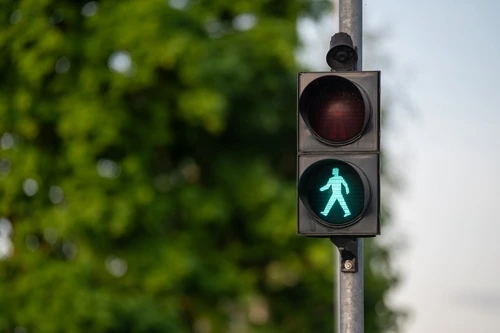
You have rights after a pedestrian accident, NC Injury Law fights for those rights
Pedestrians have little protection when they are struck by a car. The physical, emotional, and financial impact can affect every part of a person’s life. North Carolina law has specific protections for people on foot, and those protections can be the foundation of a strong personal injury claim.
At NC Injury Law, Thomas York and our legal team help injured pedestrians understand their legal rights and whether a driver should be held fully accountable for what happened.
Pedestrians have the right to use the roadway lawfully
North Carolina traffic laws treat pedestrians as people who belong on the road. Drivers have a legal responsibility to watch for people walking and to exercise reasonable care. If a driver fails to yield, speeds through an intersection, or ignores traffic signals, they can be held responsible for causing a pedestrian accident.
Thomas York has represented pedestrian accident victims throughout Wilmington, on Market Street, College Road, Oleander Drive, and in the crosswalks and intersections near downtown, and knows how to build the evidentiary case that establishes a driver’s responsibility clearly.
Drivers have responsibilities at crosswalks and intersections
North Carolina law requires drivers to:
- Yield to pedestrians in marked and unmarked crosswalks
- Stay alert at intersections, even when turning on a green light
- Slow down in areas with heavy foot traffic such as downtown Wilmington, school zones, and residential neighborhoods
When drivers ignore these responsibilities, the result is often a serious pedestrian accident that leads to medical bills, missed work, and a legal claim that our pedestrian accident lawyers at NC Injury Law are prepared to pursue on your behalf.
Right-of-way rules do not automatically blame pedestrians
The other side often claims that a pedestrian did not have the right of way, but that is only one piece of the analysis. Even when a person is outside a crosswalk, North Carolina law still requires drivers to avoid causing harm when they can clearly see someone in their path.
Knowing how right-of-way rules actually work is critical to protecting your legal rights and building a strong pedestrian accident claim. Thomas York at NC Injury Law knows how to challenge unfair right-of-way arguments and present the evidence that establishes what actually happened.
Determining fault for a pedestrian accident in North Carolina
Fault is rarely based on a single detail and is not decided solely by whether a pedestrian was in a crosswalk. At NC Injury Law, Thomas York understands how liability is determined in North Carolina pedestrian accident cases and how to build the evidentiary record that supports the strongest possible claim.
Key evidence after a pedestrian accident
Fault determination starts with evidence gathered at the scene and immediately afterward. This includes police reports, photographs, traffic camera footage, and witness statements. Medical records establish that the crash caused the victim’s injuries. Electronic data from the vehicle involved can reveal speed and braking behavior in the seconds before impact.
Thomas York and the NC Injury Law team move quickly to preserve this evidence before it disappears. Surveillance footage gets overwritten. Witnesses become harder to reach. The sooner a Wilmington pedestrian accident lawyer gets involved, the stronger your evidentiary foundation becomes.
Driver negligence is often the central issue
In most pedestrian accident cases, liability falls on a careless or reckless driver. Speeding, distracted driving, failure to yield, and improper turns are the most common forms of negligence our team sees. To prove fault, your lawyer must show that the driver’s conduct directly caused the collision and your resulting injuries.
The other side will challenge every element of that analysis. A Wilmington pedestrian accident lawyer who has litigated on both sides of the courtroom, as Thomas York has, knows those challenges before they are raised. Having Thomas York and NC Injury Law handling your claim means those challenges are anticipated and countered from the start with a complete factual and legal record that supports your right to full compensation.

What compensation can injured pedestrians claim in North Carolina?
After a pedestrian accident, many people are left wondering how they will pay their bills and move forward with their lives. North Carolina law allows you to seek compensation for both financial losses and the personal impact of your injuries. Thomas York evaluates every category of available recovery and makes sure nothing is left off the table before any agreement is reached.
Medical bills and lost income
The most immediate costs after a pedestrian accident are medical expenses. These include emergency room visits, surgeries, hospital stays, physical therapy, prescription medications, specialist visits, and future care if your injuries require long-term treatment. You have the right to seek payment for all of these costs, not just the bills that have already arrived.
A pedestrian accident attorney at NC Injury Law evaluates every category of economic loss. A claim can also include compensation for income lost during your recovery. If you missed work, had to accept a lower-paying position, or can no longer perform the same work as before, those financial losses belong in your claim. Thomas York has handled high-stakes cases worth millions of dollars and knows how to document and present economic losses in a way that supports maximum recovery.
Pain and suffering
Not every loss shows up on a bill. Pain and suffering damages compensate you for physical pain and emotional hardship, losses that are harder to quantify but are a very real part of what you are owed. These damages may include:
- Physical pain and discomfort during recovery
- Emotional distress and anxiety
- Depression related to your injuries and limitations
- Loss of enjoyment of life and activities you can no longer do
- Permanent scarring or disfigurement
- Long-term physical limitations affecting daily life
The other side will try to minimize these damages. Thomas York uses medical records, expert testimony, and personal accounts to demonstrate how your pedestrian accident has affected every aspect of your life, and to make sure the value of your claim reflects the full picture.
Punitive damages in serious cases
Punitive damages are designed to punish especially reckless or intentional behavior. A North Carolina court may consider punitive damages in cases involving drunk driving, excessive speeding, or other conduct that rises above ordinary negligence. These damages are not available in every case, but Thomas York evaluates whether they apply and pursues them when the facts support it.
How insurance coverage works after a pedestrian accident in North Carolina
One of the first questions injured pedestrians ask is how their medical bills and other losses will be paid. Understanding how insurance coverage works in a North Carolina pedestrian accident case is critical to protecting your financial recovery.
The at-fault driver’s liability coverage is typically the first source of compensation. A skilled Wilmington pedestrian accident lawyer handles all communications with the driver’s carrier, negotiates aggressively, and pushes back against inadequate offers that do not reflect the full value of your claim.
If the driver has no coverage, or does not carry enough to cover your losses, your own uninsured or underinsured motorist coverage can provide an additional layer of protection. Uninsured motorist coverage also applies when a hit-and-run driver cannot be located. Thomas York evaluates every available source of recovery and pursues compensation from all applicable sources on your behalf.
What to do after a pedestrian accident in Wilmington and North Carolina
The steps you take in the hours and days after a pedestrian accident directly affect both your health and your legal claim. Every decision matters, and having Thomas York at NC Injury Law involved from the start positions your case for the best possible outcome.
Get medical care immediately
Your health comes first. Even if your injuries seem minor, see a doctor as soon as possible. Your pedestrian accident lawyer will use your medical records as the foundation of your damages claim. Many pedestrian accident injuries, including traumatic brain injuries, internal organ damage, and soft tissue injuries, do not produce full symptoms until hours or days after the crash. Prompt medical care protects your health and creates a dated medical record that connects your injuries to the accident. Gaps in treatment are one of the most common arguments used to minimize the value of a pedestrian accident claim.
Document the scene and gather evidence
Important evidence disappears quickly. If you are physically able, collect the following before leaving the scene:
- Photographs of the accident scene from multiple angles
- Photographs of the vehicle that struck you
- Photographs of your visible injuries
- Names and contact information for every witness present
Keep copies of the police report, all medical records, and any correspondence related to the accident. This documentation becomes the foundation of your claim and gives your pedestrian accident lawyer the raw material to build the strongest possible case on your behalf.
Be careful what you say and do
Statements made without legal guidance can be used against you. Do not discuss the accident in detail with anyone representing the other side before speaking with a Wilmington pedestrian accident lawyer. Do not post about the accident on social media. Follow every treatment recommendation your doctor makes. Gaps in care or inconsistency in following medical advice give the other side arguments to challenge the severity of your injuries.
Contact Thomas York at NC Injury Law before doing anything else
The moment NC Injury Law takes your case, Thomas York handles all communications with opposing parties on your behalf. You will not be pressured into recorded statements, rushed toward settlements that do not reflect what your case is worth, or left to navigate a legal process designed to work against you. Early legal involvement also allows our team to preserve evidence, identify witnesses, and begin building your claim before critical information is lost.
The deadline to file a pedestrian accident lawsuit in North Carolina
North Carolina law gives most pedestrian accident victims three years from the date of the accident to file a personal injury lawsuit. This is known as the statute of SXlimitations. Missing this deadline permanently eliminates your right to pursue compensation through the courts regardless of how strong your case is.
Some situations involve shorter deadlines, particularly claims against government entities such as a city or county. Thomas York reviews the specific facts of every case and confirms which deadlines apply from the first day of representation so that no procedural right is ever lost.
Do not wait. The sooner NC Injury Law gets involved, the stronger your evidentiary position and the better your chances of full recovery.

Frequently asked questions about pedestrian accident rights in North Carolina
What if the driver who hit me does not have insurance?
You may still be able to recover compensation. If the at-fault driver has no coverage or insufficient coverage, your own uninsured or underinsured motorist policy may apply. In hit-and-run cases where the driver cannot be identified, uninsured motorist coverage often provides a path to recovery. Thomas York at NC Injury Law evaluates every available source of compensation and pursues all applicable coverage on your behalf.
What if I was partly at fault for the pedestrian accident?
North Carolina applies one of the strictest fault rules in the country to personal injury cases. If you are found to have contributed to the accident in any way, your ability to recover compensation may be significantly affected. This makes how fault is characterized in the early stages of your claim critically important. Do not make any statements about fault to any party before speaking with a Wilmington pedestrian accident lawyer. Contact Thomas York at NC Injury Law first.
How long will my pedestrian accident case take?
The timeline depends on the severity of your injuries, the complexity of the liability issues, and whether the other side negotiates fairly. Some cases resolve in a few months. Cases involving serious injuries, disputed fault, or uncooperative opposing parties can take longer. Thomas York at NC Injury Law moves your case forward without unnecessary delay while making sure no category of recovery is compromised by rushing the process.
Do I need a lawyer if the driver’s insurance company already contacted me?
Yes. The other side’s representatives are not acting in your interest. Their contact is an information-gathering effort designed to limit what they pay. Do not give a recorded statement, sign any documents, or accept any offer before speaking with Thomas York at NC Injury Law. The consultation is free and it protects every conversation that comes after.
What makes NC Injury Law the right choice for my pedestrian accident case?
Thomas York has over 30 years of legal experience handling personal injury cases throughout North Carolina, a track record of recovering over $50 million for injury victims, and a proven trial success rate on both sides of the courtroom. Our Wilmington pedestrian accident lawyers represent injured pedestrians with 24/7 availability, no upfront costs, and no attorney fees unless we win. Thomas York knows how the other side builds its case because he has litigated on both sides. That perspective is what makes NC Injury Law uniquely equipped to fight for injured pedestrians in Wilmington and throughout North Carolina.
Contact Thomas York at NC Injury Law for a free pedestrian accident case review
A pedestrian accident in North Carolina can change your life in seconds. The injuries are serious, the legal process is complex, and the other side is already working to limit what you recover. Every day without experienced legal representation is a day spent at a disadvantage.
At NC Injury Law, Thomas York brings over 30 years of legal experience, a track record of high-stakes wins, and a commitment to fighting for every dollar his clients deserve. Our Wilmington pedestrian accident lawyers represent injured pedestrians throughout Wilmington and North Carolina with 24/7 availability and no fees unless we win.
Contact us online or call 910-387-1103 today for a free case review. The sooner Thomas York gets involved, the stronger your position becomes.
This article is for informational purposes only and does not constitute legal advice. Results vary based on the specific facts of each case. Prior results do not guarantee a similar outcome.