Slip and Fall Injuries: Common Causes And How To Avoid Them
Slip and fall injuries are one of the most common causes of emergency room visits in North Carolina. A wet floor, broken step, or poor lighting can lead to serious harm, especially for older adults. At NC Injury Law, we help victims understand their legal rights and pursue fair compensation when fall accidents happen on someone else’s property. Whether you suffered broken bones, a head injury, or spinal cord damage, knowing the risks and how to respond can protect your health and your claim.
In this blog, we cover the most common causes of slip and fall injuries, the types of injuries they often lead to, how to avoid dangerous conditions, and why working with an experienced Wilmington slip and fall lawyer at NC Injury Law can help you protect your rights and pursue compensation.
The Legal Landscape: What North Carolina Law Says About Slip and Fall Cases
Slip and fall injuries in North Carolina fall under premises liability law, which defines how property owners must protect visitors and how victims can pursue compensation. Understanding these rules helps injured people know their rights after an accident.
Property Owners’ Legal Duty
Under N.C. Gen. Stat. § 99B-1.1, property owners are required to keep their premises in a reasonably safe condition. If someone suffers a fall accident due to wet floors, uneven pavement, or poor lighting, the property owner may be held responsible. This duty applies to businesses, landlords, and homeowners who invite others onto their property.
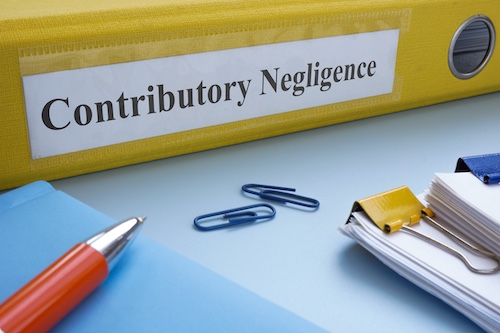
Contributory Negligence Rule
North Carolina follows a strict contributory negligence rule, which means that if the injured person shares even one percent of fault for the fall, they cannot recover damages. Because of this rule, many slip and fall cases depend on proving the victim acted with reasonable care and the property owner failed to correct a known hazard.
Proving Fault
To succeed in a slip and fall case, the injured person must show the property owner knew or should have known about the dangerous condition and failed to fix it. Strong evidence, such as photos of the scene, witness information, and medical records, helps demonstrate negligence. A clear record of the hazard can make the difference between winning and losing a claim.
Filing Deadline
Victims generally have three years from the date of the fall accident to file a personal injury claim under North Carolina law. Missing this deadline can prevent recovery for medical bills, lost wages, and pain and suffering. Acting quickly also helps preserve evidence that may fade or disappear with time.
Legal Help Matters
A knowledgeable Wilmington slip and fall lawyer can review the details of the accident, identify the at-fault party, and explain how contributory negligence may affect the case. Many offer a free case evaluation to help victims understand their legal options and pursue fair compensation.
7 Common Causes of Slip-and-Fall Injuries in North Carolina
Slip and fall injuries often happen because of preventable hazards found in homes, businesses, and public areas.
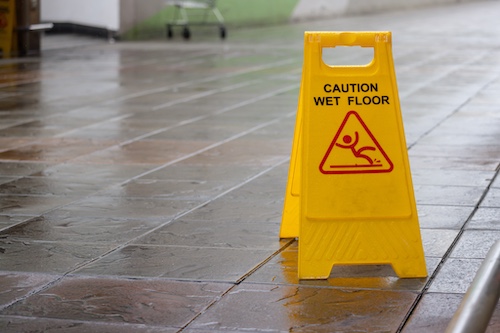
Wet Floors
Slippery surfaces from spills, leaks, or recent cleaning are a leading cause of fall accidents. Without clear warning signs, visitors can slip and suffer broken bones, head injuries, or spinal cord damage. Grocery stores, restaurants, and hospitals are common sites for wet floor incidents.
Uneven Surfaces
Cracked sidewalks, loose tiles, or damaged flooring create dangerous walking conditions. These hazards can lead to serious fall injuries, including torn ligaments and internal bleeding. Property owners must inspect and repair walkways to maintain a safe condition.
Inadequate Lighting
Poor lighting in stairwells, hallways, and parking lots makes it harder to see fall hazards. Low visibility increases the risk of trip and fall injuries, especially for older adults. Good lighting helps prevent accidents and protects visitors on someone else’s property.
Missing or Damaged Handrails
Stairs without sturdy handrails put people at risk of falling. A lack of support can cause spinal cord injuries or traumatic brain injuries during a fall. Building codes often require handrails in stairwells and elevated areas, and property owners must follow these rules.
Cluttered Walkways
Obstructions like cords, boxes, or loose rugs can cause people to trip. These slip and fall hazards are common in retail stores, workplaces, and apartment buildings. Keeping walkways clear is one of the simplest ways to reduce fall-related injuries.
Weather-Related Hazards
Rain, ice, and snow can make outdoor surfaces slick and unsafe. Property owners must take steps to remove or treat these conditions quickly. Failure to act increases the chance of fall cases involving severe injury or permanent disability.
Nursing Home Negligence
Many fall accidents occur in nursing homes, where older adults are especially vulnerable. Unsafe flooring, lack of supervision, or poor equipment can cause serious harm. These facilities have a duty to protect residents from common slip and fall hazards.
Most Common Injuries Resulting from Slip and Fall Accidents
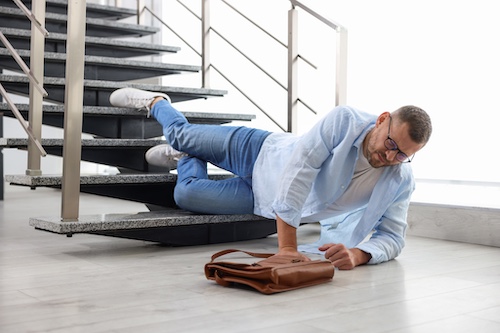
Slip and fall accidents can lead to a wide range of injuries, some of which require long-term care and result in permanent disability.
Broken Bones
Fractures are one of the most common fall injuries. Wrists, hips, and ankles break easily during a sudden fall. Older adults are especially at risk, and healing can take months. Broken bones often lead to high medical bills and time away from work.
Spinal Cord Injuries
A fall can damage the spinal cord and cause partial or full paralysis. Spinal cord injuries may lead to loss of movement, chronic pain, or permanent disability. Victims may need ongoing medical attention and face a significant drop in quality of life.
Traumatic Brain Injuries
When the head strikes a hard surface, the impact can cause a concussion or more severe brain trauma. Traumatic brain injuries often affect memory, balance, and speech. Symptoms may not appear right away, making early medical evaluation critical.
Torn Ligaments
Falls frequently lead to torn ligaments in the knees, shoulders, or ankles. These injuries often require surgery and physical therapy. Torn ligaments limit mobility and can make it hard to return to work or daily activities.
Internal Bleeding
A hard fall can injure organs and cause internal bleeding. This injury is not always visible but can be life-threatening. Emergency treatment is often needed to prevent serious complications or death.
Head Injury
Not all head injuries cause brain damage, but even mild trauma can lead to headaches, nausea, or dizziness. Falls that result in head injury must be taken seriously. Proper diagnosis helps avoid long-term problems.
Permanent Disability
Some fall injuries never fully heal. Victims may lose the ability to walk, return to work, or care for themselves. These cases often involve high costs, pain, and emotional suffering. A Wilmington slip and fall lawyer can help pursue compensation for long-term harm.
How to Avoid Slip and Fall Hazards
Preventing slip and fall injuries starts with awareness and consistent safety habits by both property owners and visitors.
Steps for Property Owners
Property owners must keep their premises in a safe condition to reduce the risk of accidents. Regular inspections help identify slip and fall hazards like uneven surfaces, wet floors, or missing handrails. Repairs should be made promptly, and clear warning signs should be used until hazards are fixed. Proper lighting, secure rugs, and maintained walkways all help prevent fall accidents.
Steps for Business Operators
Business owners should train employees to clean spills immediately and keep aisles free of clutter. Safety equipment like non-slip mats can help protect customers and staff. Routine maintenance logs and safety checks show that the business is committed to preventing accidents.
Steps for Visitors
Visitors should stay alert when walking in unfamiliar or crowded areas. Wearing slip-resistant shoes and avoiding distractions like mobile phones reduces the chance of falling. Paying attention to wet floor signs, uneven flooring, or poor lighting helps people move safely through public and private spaces.
Steps for Nursing Homes and Care Facilities
Elder care facilities must take extra precautions to prevent fall-related injuries among residents. Floors should be dry, hallways well-lit, and handrails sturdy. Staff must respond quickly to spills or obstructions. Preventing falls protects older adults from serious harm and reduces liability for the facility.
Building a Culture of Safety
Slip and fall accidents happen less often when everyone takes responsibility for safety. Property owners, employees, and visitors all share a role in identifying and reporting hazards. Consistent awareness and maintenance protect both health and property from preventable fall injuries.
Consult With an Experienced Wilmington Slip and Fall Attorney ASAP!
If you or someone you love has suffered slip and fall injuries due to unsafe conditions on someone else’s property, don’t wait to take action. Our team at NC Injury Law is here to help. A skilled Wilmington slip and fall lawyer can evaluate your case, explain your legal options, and fight for the compensation you need to cover medical bills, lost wages, and ongoing pain.
Contact us at 910-387-1103 for a free case consultation today!